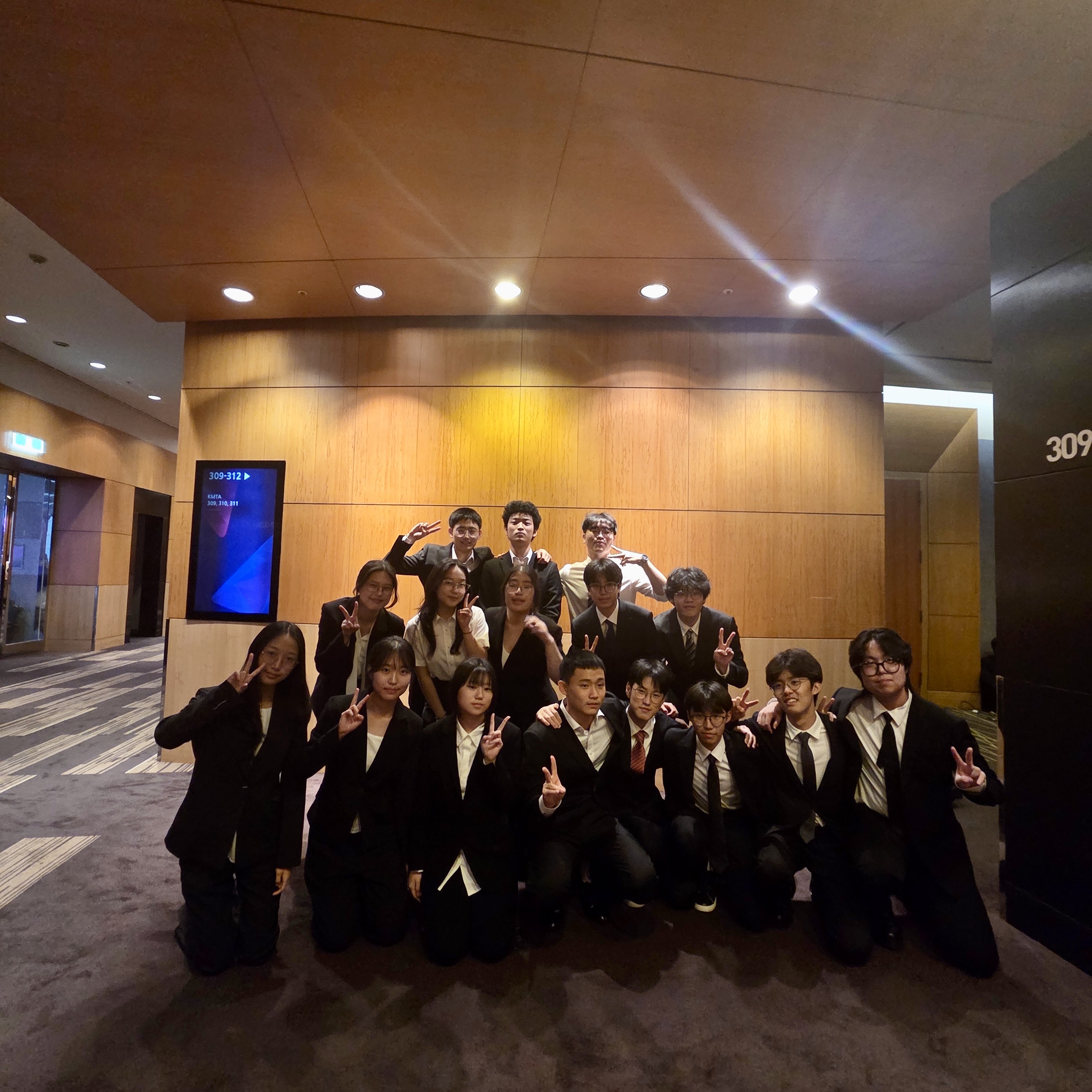
Mock Trial
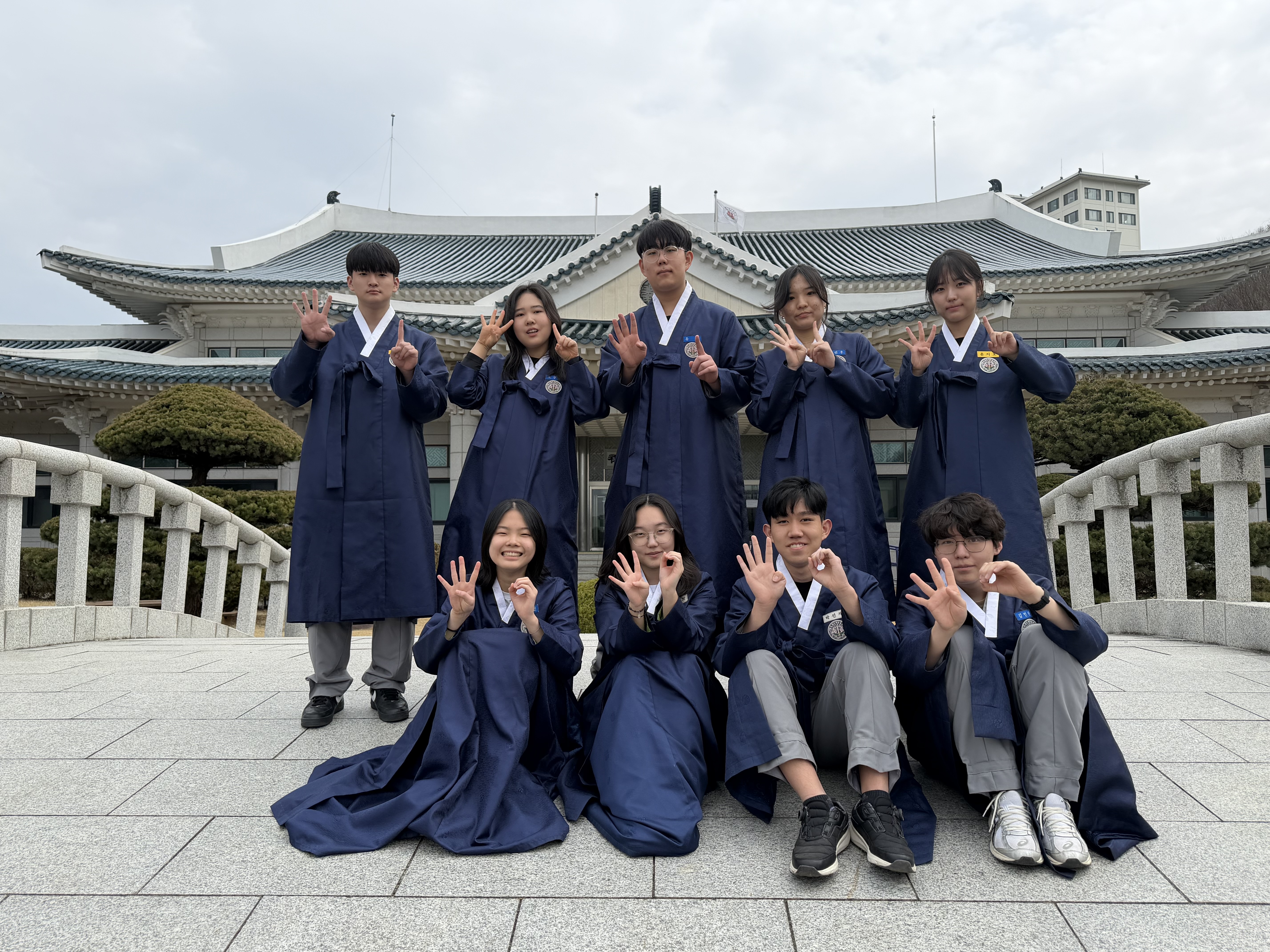
Opening and closing attorney · 2026 Best Attorney, Team 5th · 2025 Outstanding Attorney, Team 2nd · Empire Mock Trial in Chicago
From an ammonia-responsive food-spoilage patch designed to cost about twenty cents to health-information delivery across twenty schools, I build around the people a system is supposed to serve.
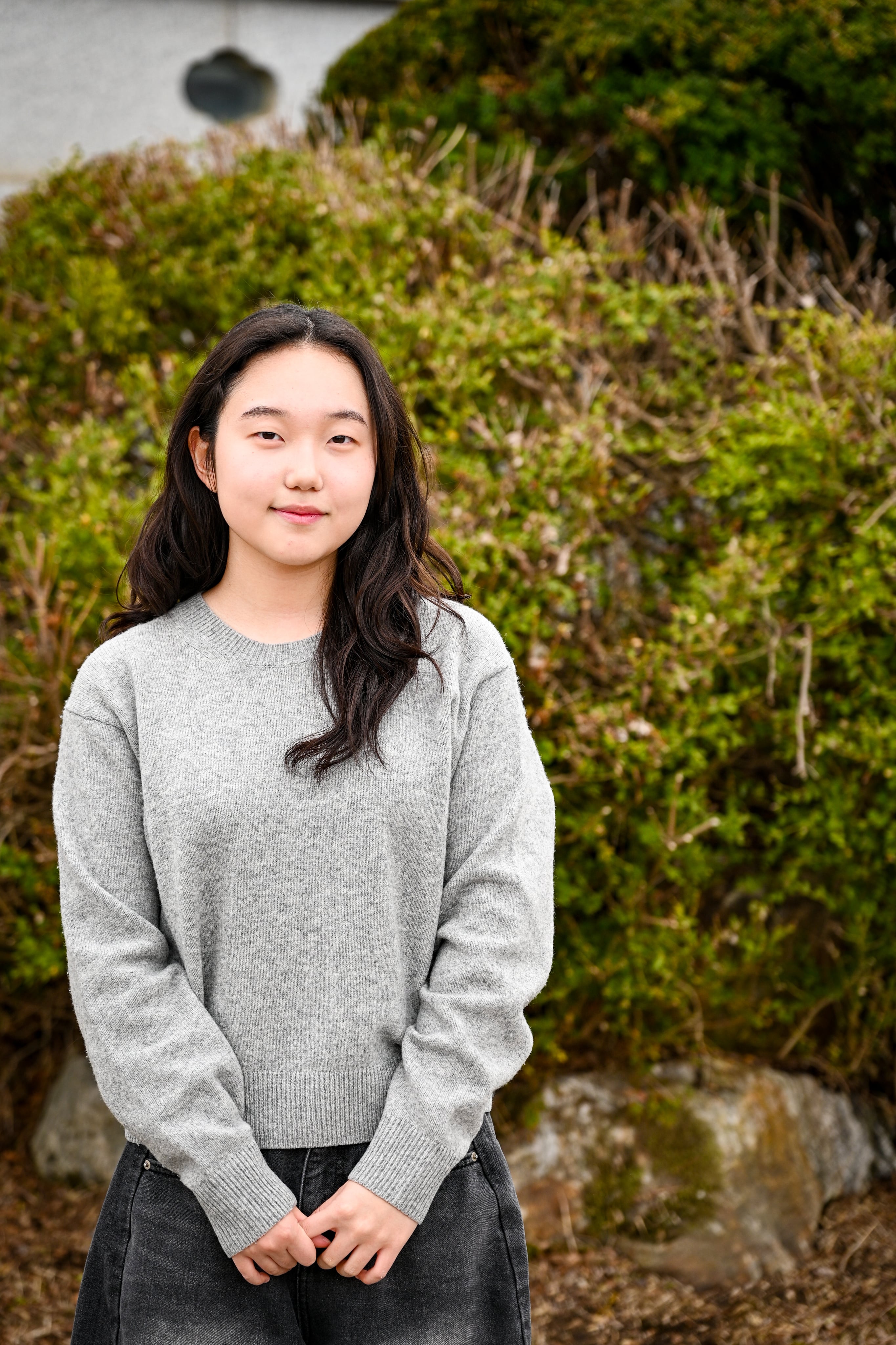
I keep returning to one question: who gets to use the solution?
My work began in the lab, but it rarely stays there. A food-spoilage sensor led me to affordability and interpretation. Public-health work pushed me toward information access.
Student government taught me that durable change often depends on the structure around a problem—not only the person facing it. Across each field, access is the design brief.
Each project starts with a person excluded by cost, information, or process—and asks what would have to change for the system to include them.
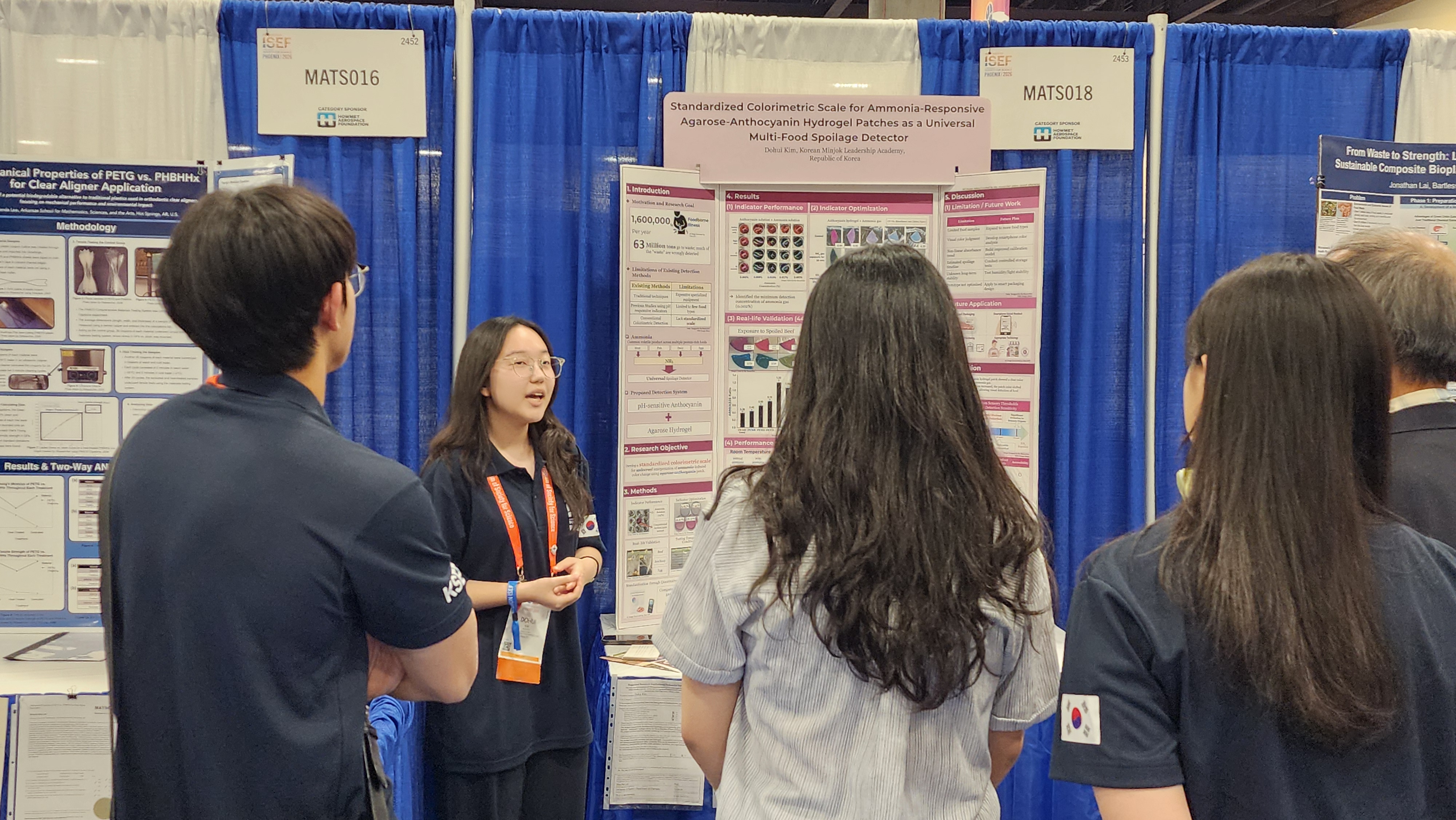
An agarose-anthocyanin hydrogel patch turns invisible ammonia into a four-stage color signal without specialized equipment.
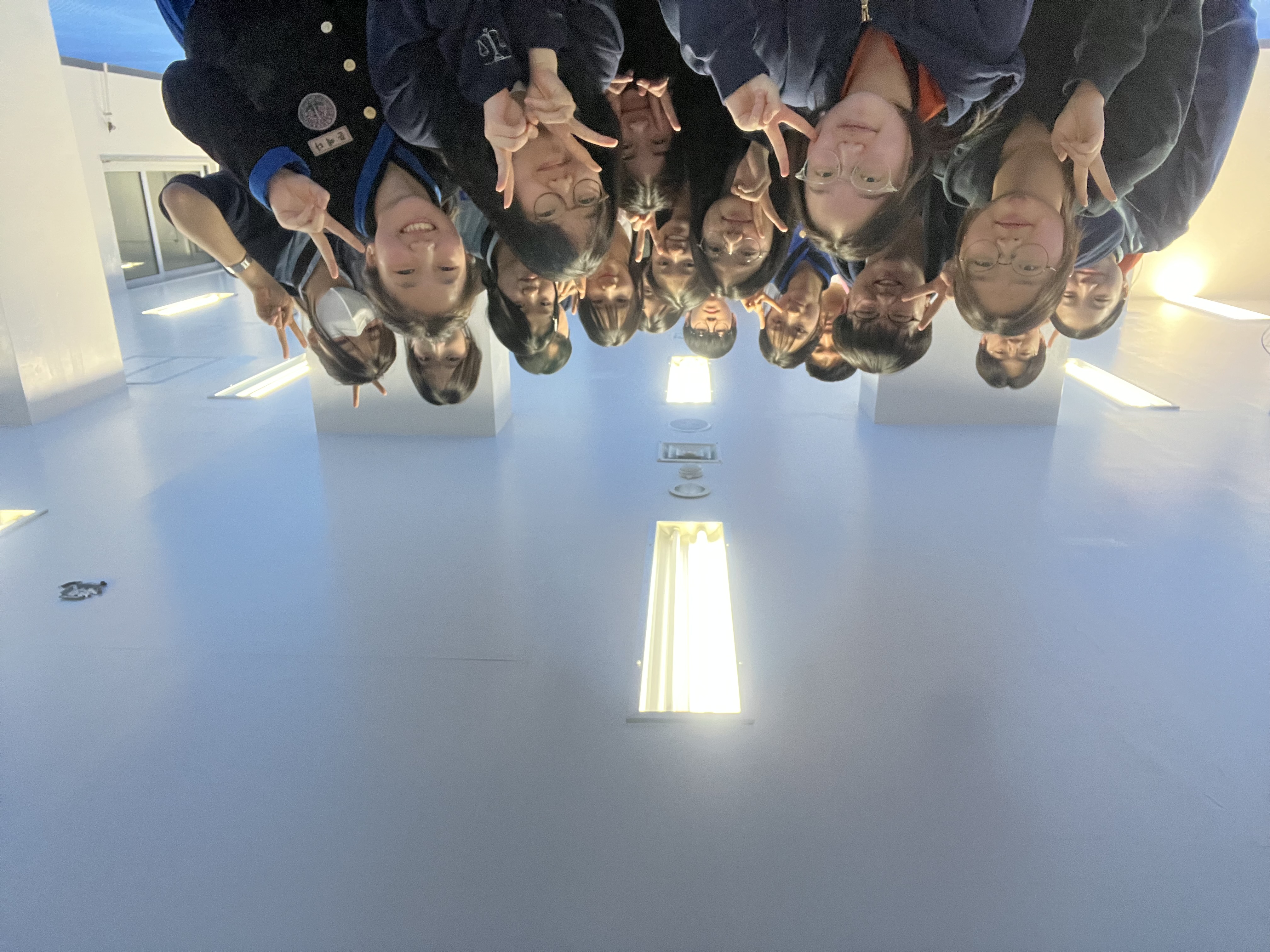
KMLA HOSA grew from five members into a recurring service and health-information system reaching schools across Gangwon Province.
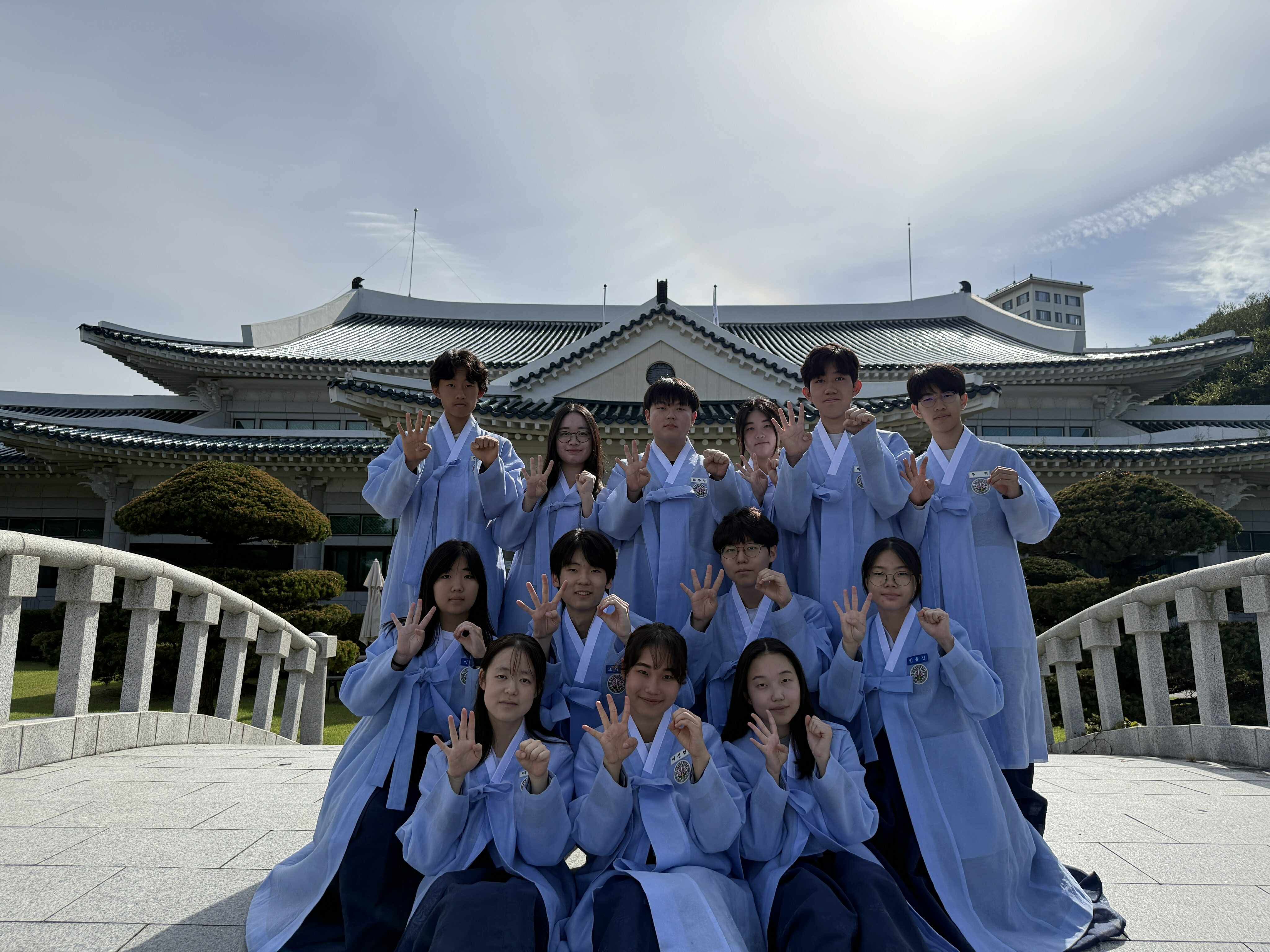
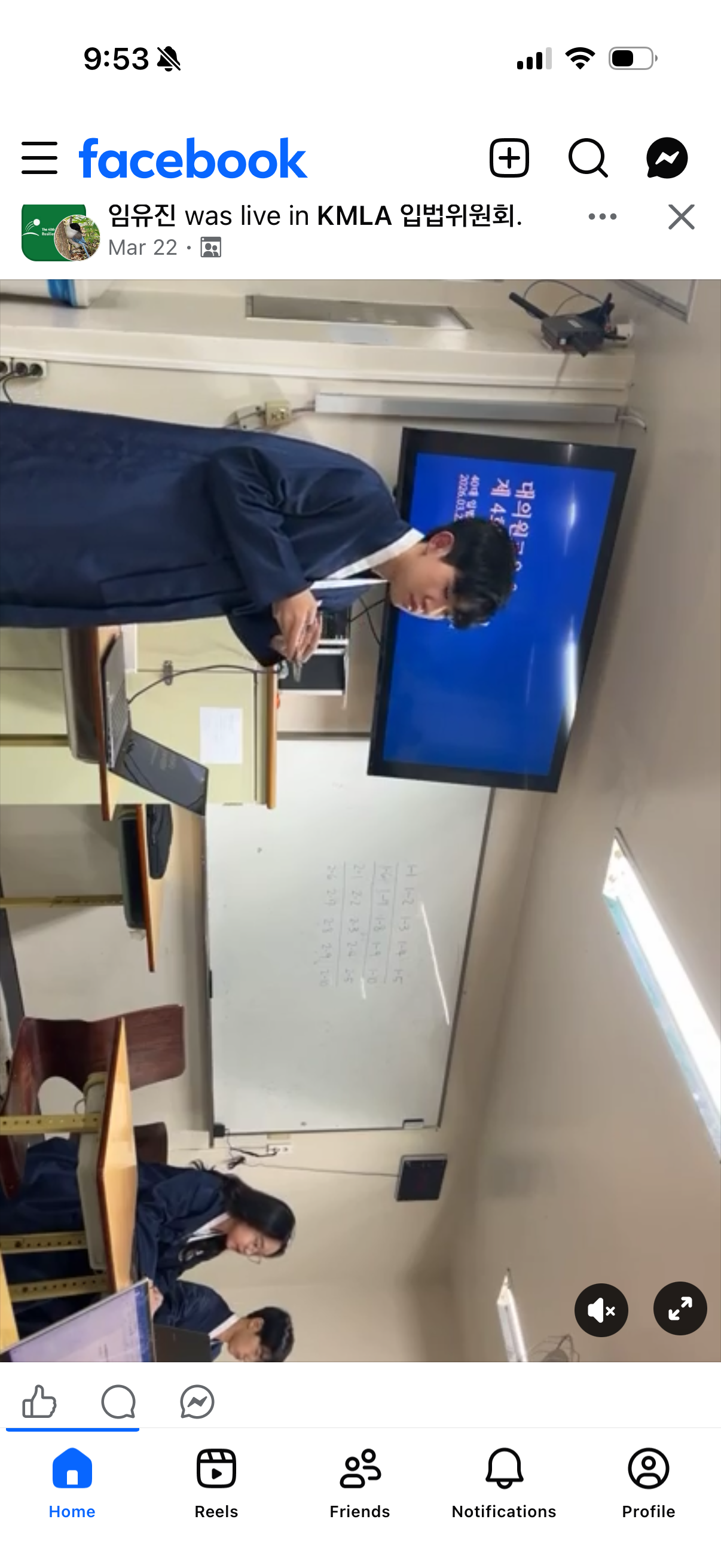
As Student Legislative Council president, I treated livestreams, next-morning minutes, and clear voting thresholds as civic infrastructure.
The explanations and information provided on this page are only general and high-level explanations and information on how to write your own document of a Privacy Policy. You should not rely on this article as legal advice or as recommendations regarding what you should actually do, because we cannot know in advance what are the specific privacy policies you wish to establish between your business and your customers and visitors. We recommend that you seek legal advice to help you understand and to assist you in the creation of your own Privacy Policy.
Having said that, a privacy policy is a statement that discloses some or all of the ways a website collects, uses, discloses, processes, and manages the data of its visitors and customers. It usually also includes a statement regarding the website’s commitment to protecting its visitors’ or customers’ privacy, and an explanation about the different mechanisms the website is implementing in order to protect privacy.
Different jurisdictions have different legal obligations of what must be included in a Privacy Policy. You are responsible to make sure you are following the relevant legislation to your activities and location.
Generally speaking, a Privacy Policy often addresses these types of issues: the types of information the website is collecting and the manner in which it collects the data; an explanation about why is the website collecting these types of information; what are the website’s practices on sharing the information with third parties; ways in which your visitors and customers can exercise their rights according to the relevant privacy legislation; the specific practices regarding minors’ data collection; and much, much more.
To learn more about this, check out our article “Creating a Privacy Policy”.
A dorm-room problem became an ammonia-responsive sensing project and then an accessibility question: can a person interpret food safety without costly equipment?
Living in a dorm without reliable refrigeration made spoilage hard to judge. I began by asking why food safety was still being decided by uncertain senses such as smell.
I developed a pH-sensitive agarose-anthocyanin patch that responds to ammonia and validated the visual signal across eggs, beef, cheese, and fish at room and refrigerated temperatures.
Instead of stopping at whether the patch changed color, I used the A600/A520 absorbance ratio to establish a standardized scale so a consumer could interpret spoilage stages without a laboratory instrument.
The project advanced from a KSEF Gold Award to Regeneron ISEF 2026. It strengthened a habit I value: design around real constraints rather than assuming ideal equipment or ideal users.
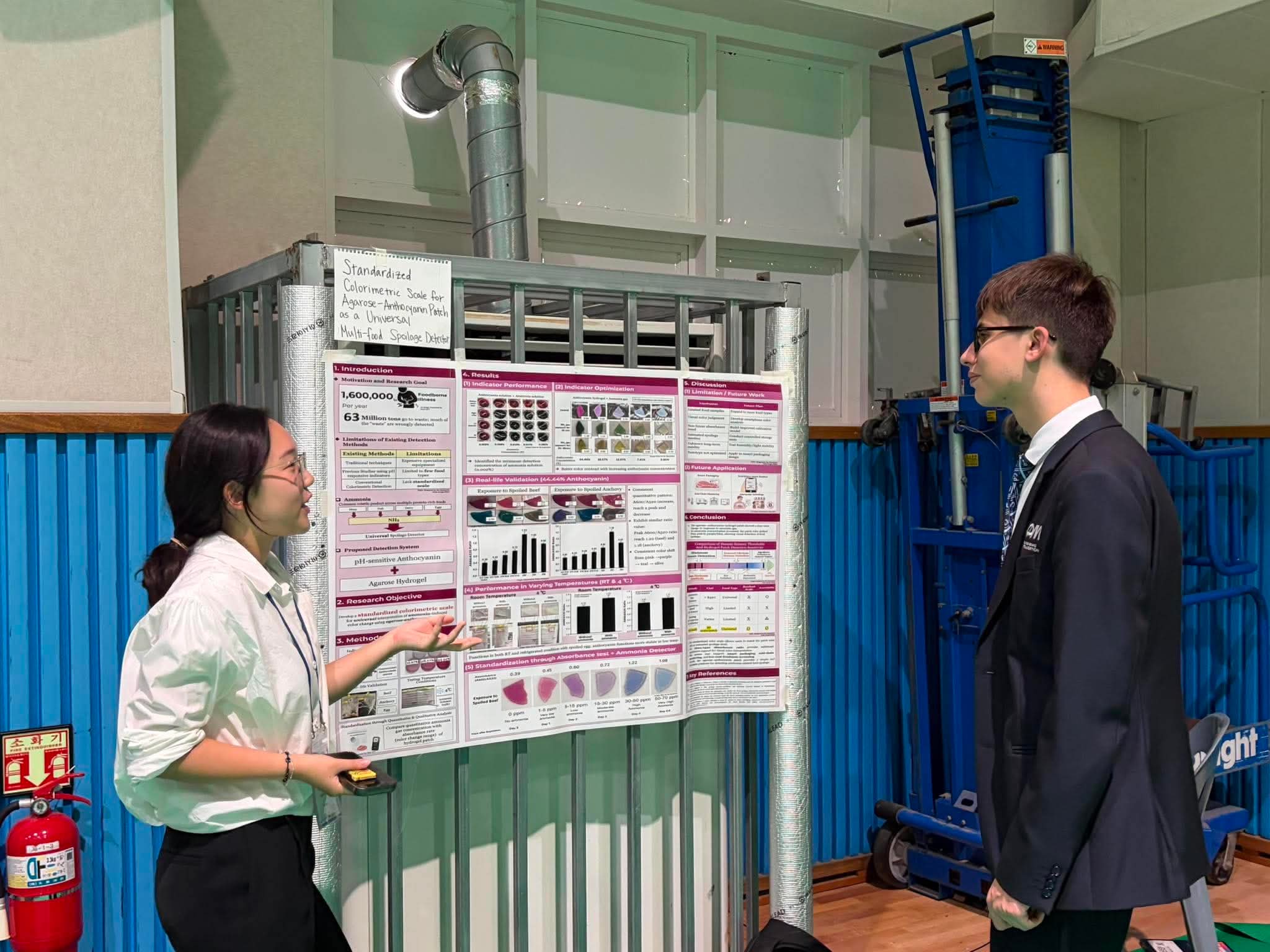
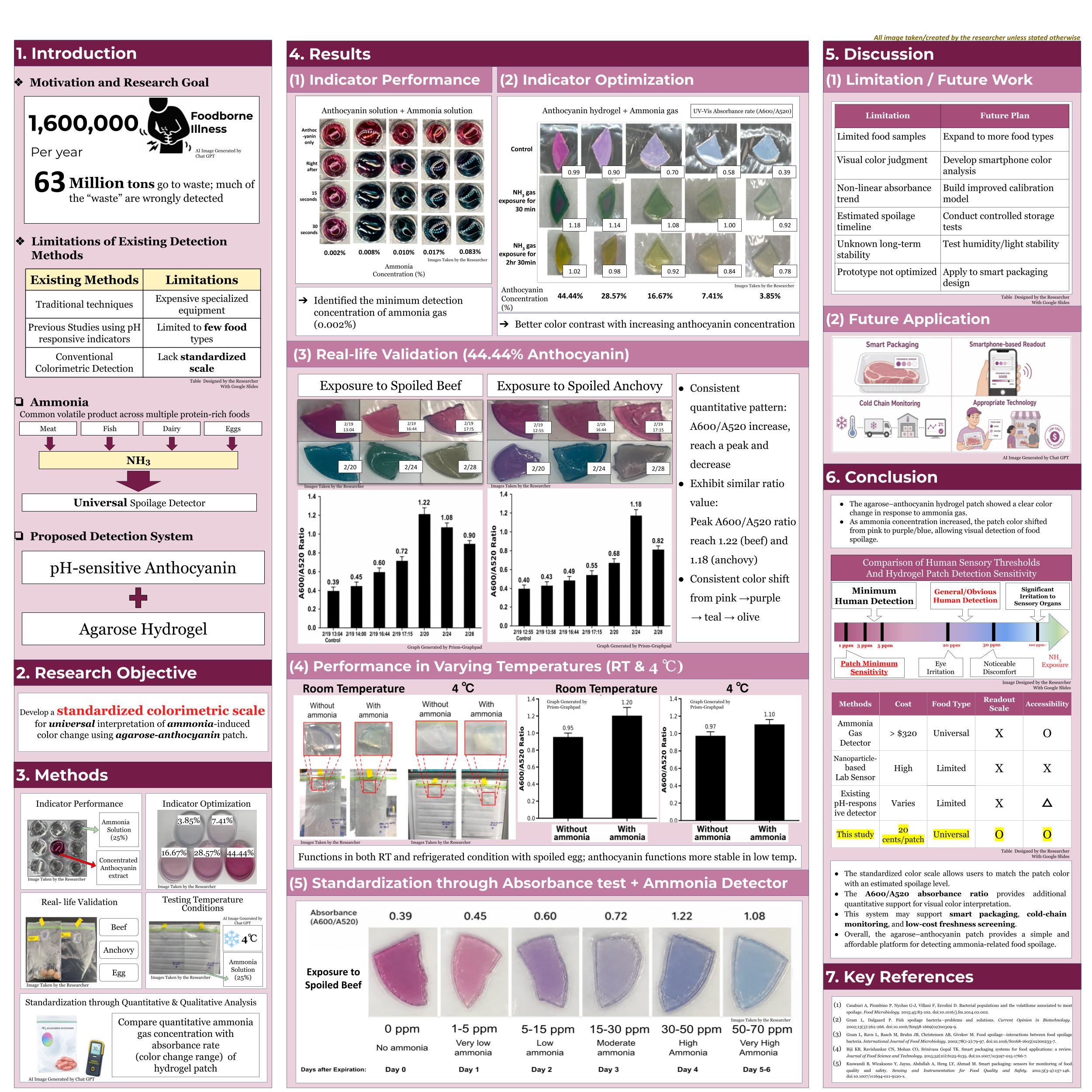
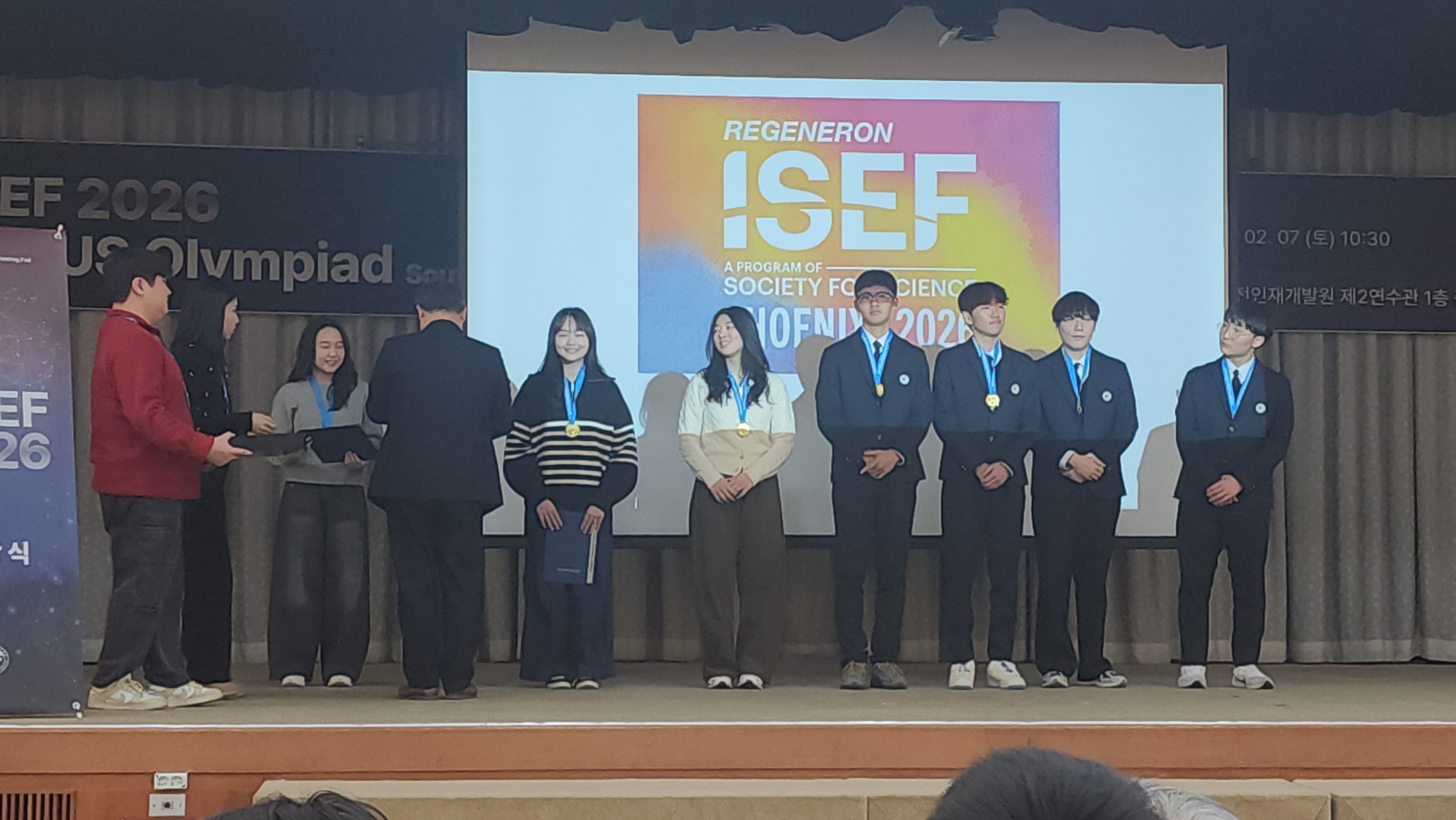
The public project record verifies the finalist entry and summarizes the research. The poster shows the experimental design, results, and standardized scale.
I founded KMLA HOSA because I saw a different access problem: reliable health information and sustained service were not reaching people consistently.
I grew the chapter from five to twenty-one members and organized it into content, design, service, social media, and operations teams. Regular meetings, post-service feedback, and new-member training turned isolated events into a repeatable system.
Information only becomes public health when it reaches the people who need it.
We produced monthly health materials in separate elementary- and middle-school versions and distributed them to thirteen elementary and seven middle schools across Gangwon Province.
During a one-week medical mission at Kampong Thom Provincial Hospital in Cambodia, I supported patient flow and clinical logistics for an obstetrics and gynecology team serving approximately 1,000 patients.
Our fundraising cafe generated ₩704,000 in revenue and ₩307,820 in net proceeds. A 15–25-page startup and operations guide now helps other school chapters reproduce the work.
I connected at least three school public-health chapters for quarterly collaboration, helped organize a 2026 blood-donation event, and developed the intergenerational “Connection for Seniors” proposal.
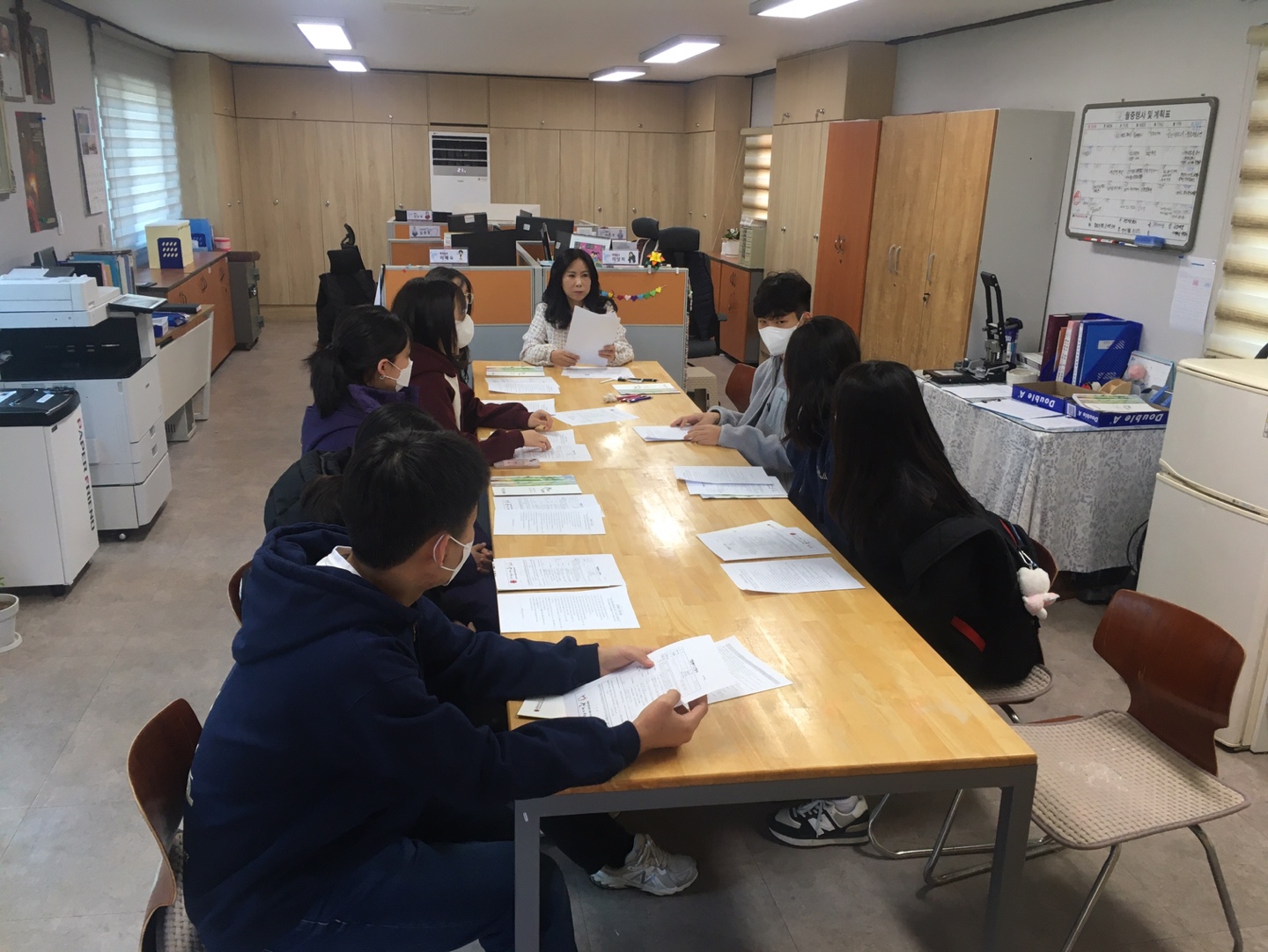 Planning and training
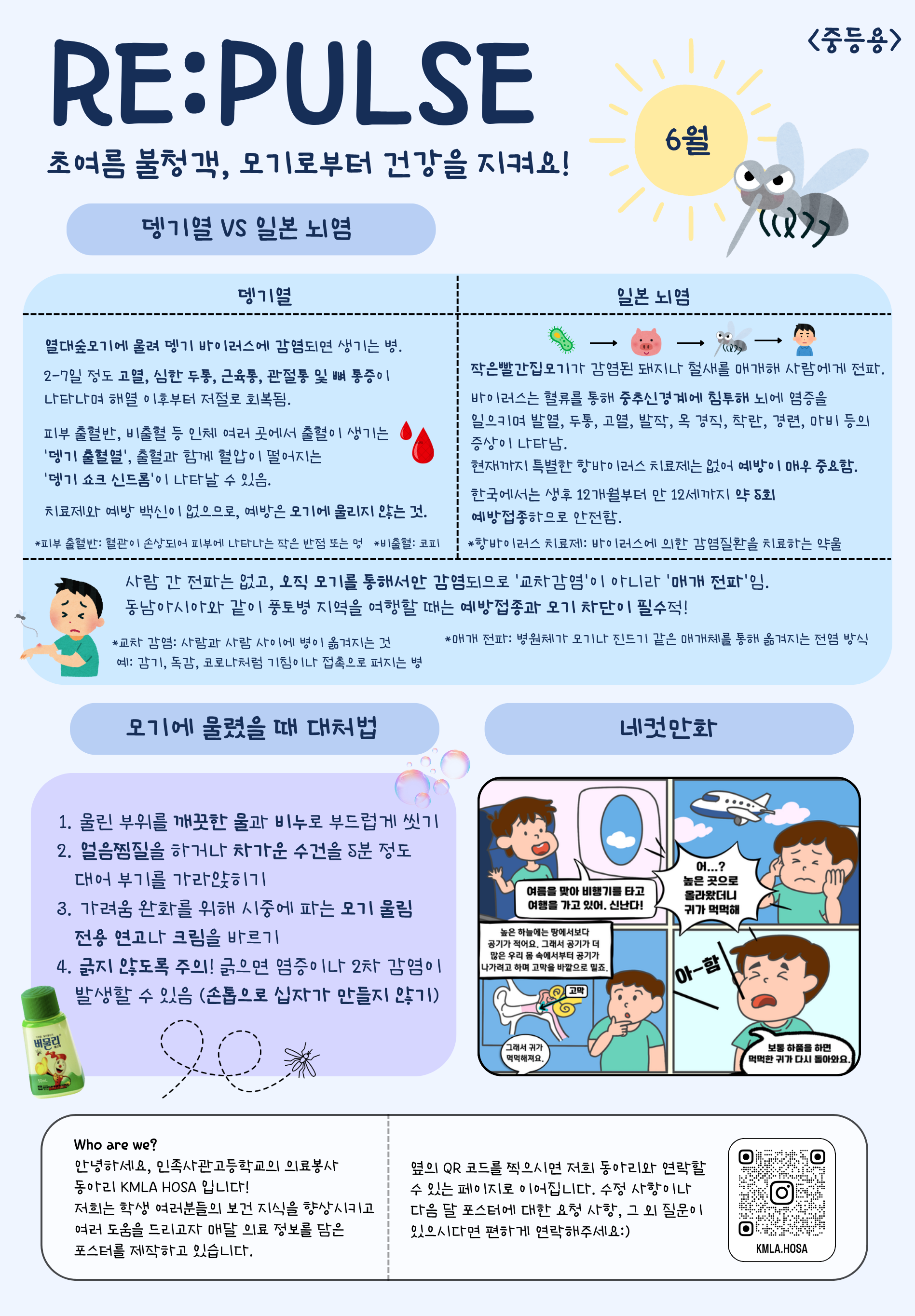 Age-specific health materials
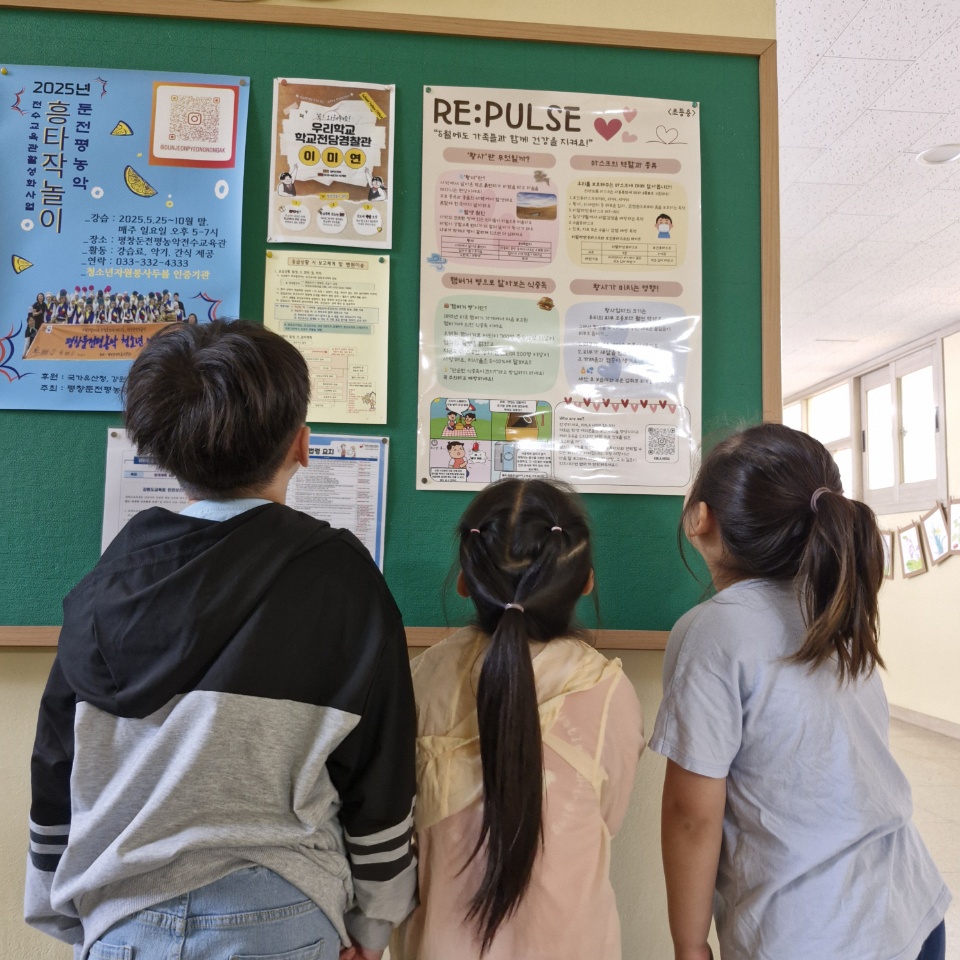 Materials in use at Jangpyeong Elementary
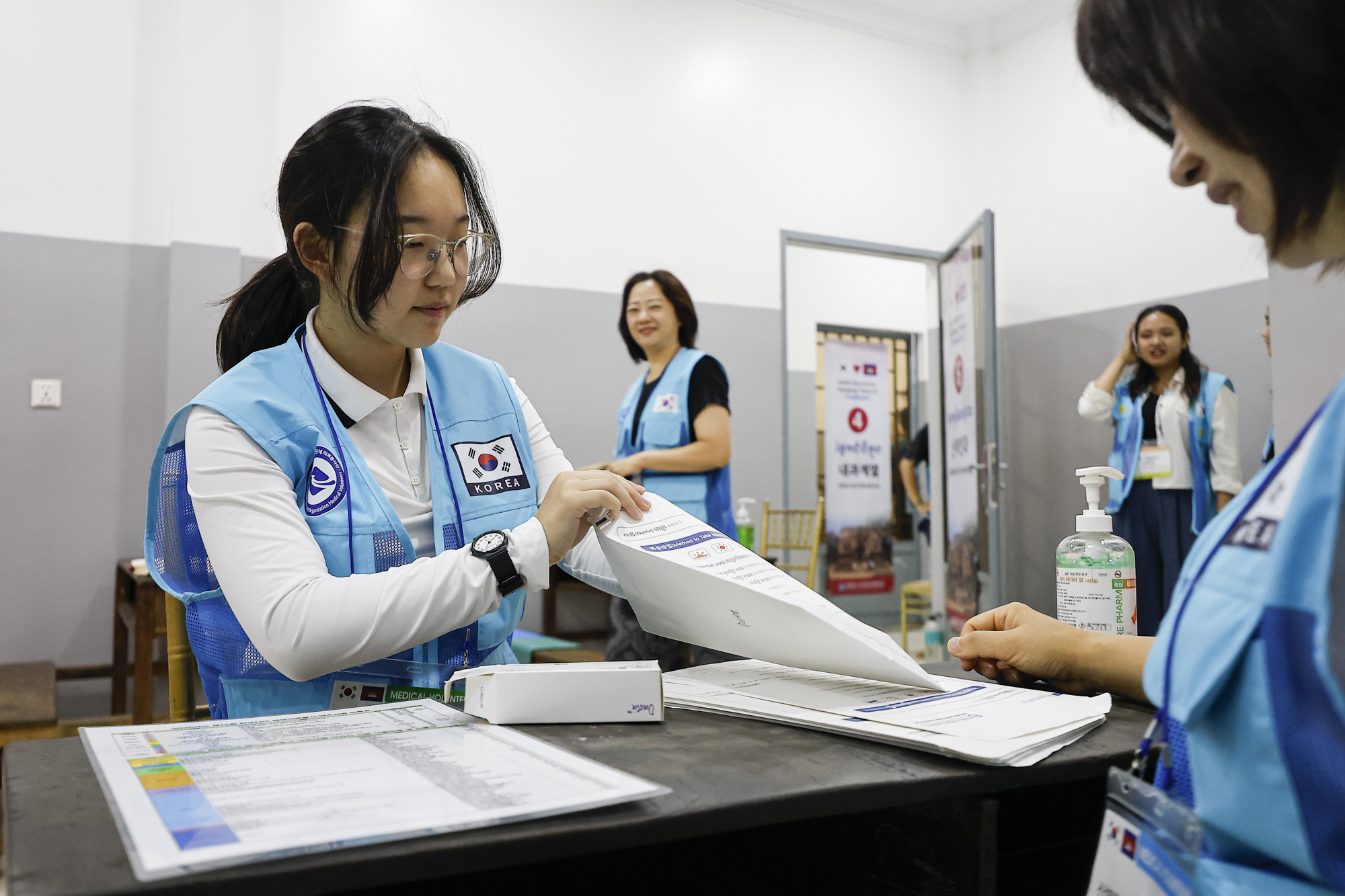 Cambodia OB-GYN medical mission
The public archive organizes KMLA HOSA posters and card news by audience and publication date, with the chapter mission and distribution record.
Outside the lab, the same instinct appears: find the hidden burden, make the process visible, and redesign the structure around it.
I was elected by roughly 450 students to lead a twenty-member assembly. Across eight policy proposals, we livestreamed every session, published verbatim minutes by the next morning, and advanced motions only after a two-thirds vote.
I negotiated with the dean of students, vice principal, and principal on election rules, device use, study-space access, cooling standards, and morning exercise.
In the Department of School Environment, I learned that custodial staff spent about three extra hours re-sorting waste each day. I helped replace opaque cloth bins with steel frames and transparent liners, then paired the redesign with sorting education that reached about ninety students.
Selected at a 6:1 ratio for the school's Public Relations presentation team, I produced a promotional video and leaflet and led two-hour campus tours for groups of fifteen to twenty prospective students.
Research is one place where I practice judgment under pressure. Music, fencing, and advocacy train the same attention in different languages.
Opening and closing attorney · 2026 Best Attorney, Team 5th · 2025 Outstanding Attorney, Team 2nd · Empire Mock Trial in Chicago
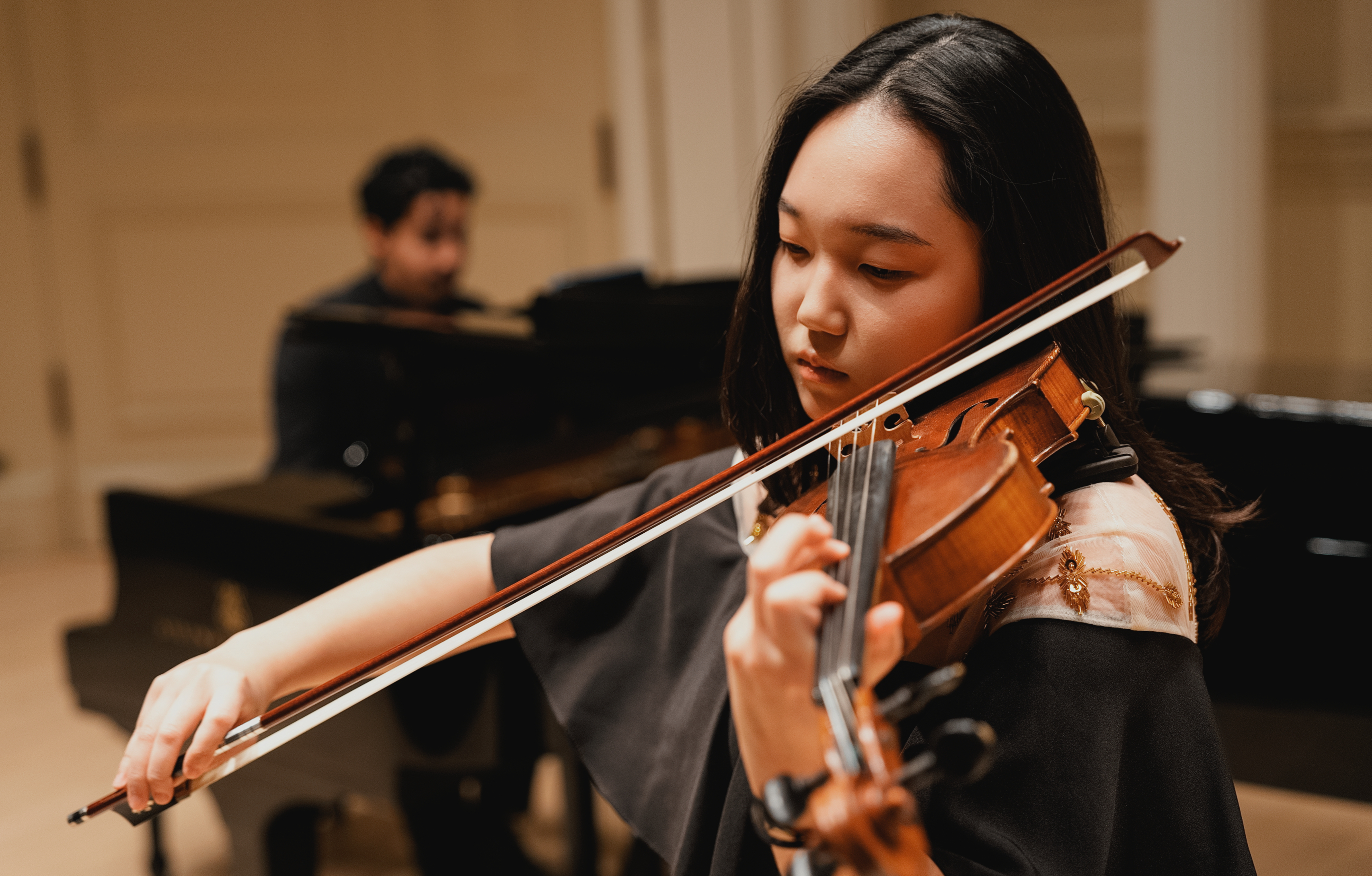
First violin · playing since age six · 2025 Weill Recital Hall at Carnegie Hall · New York competition Senate Citation
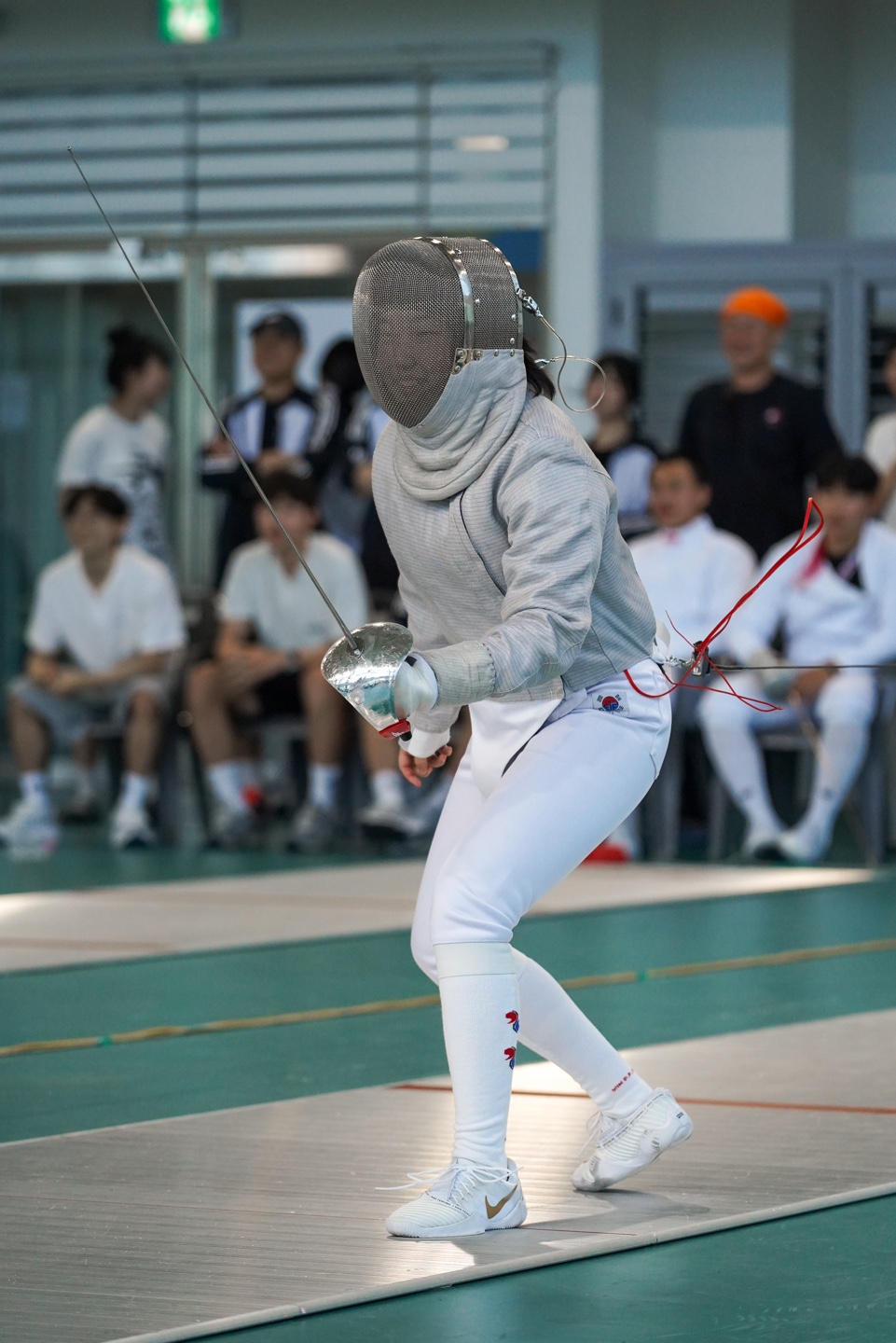
Gangwon women's team champion, 2024–2026 · President's Cup individual 2nd and 3rd
A selected record, with the full profile available in the resume.
Low-cost science, public-health access, civic systems, and communication.